
Portraits
All original works are oil on a canvas surface. You can purchase an original oil on canvas artwork or a large, or a medium limited edition print.
To begin your purchase please CLICK on the Artwork of your choice.
If you wish to discuss any of Colleen’s artworks please contact her at colleen@colleeno-artist.com
Colleen is always happy to discuss her work, or the purchase of any of her works with you.
For Shipping Destinations and Delivery Costs click here
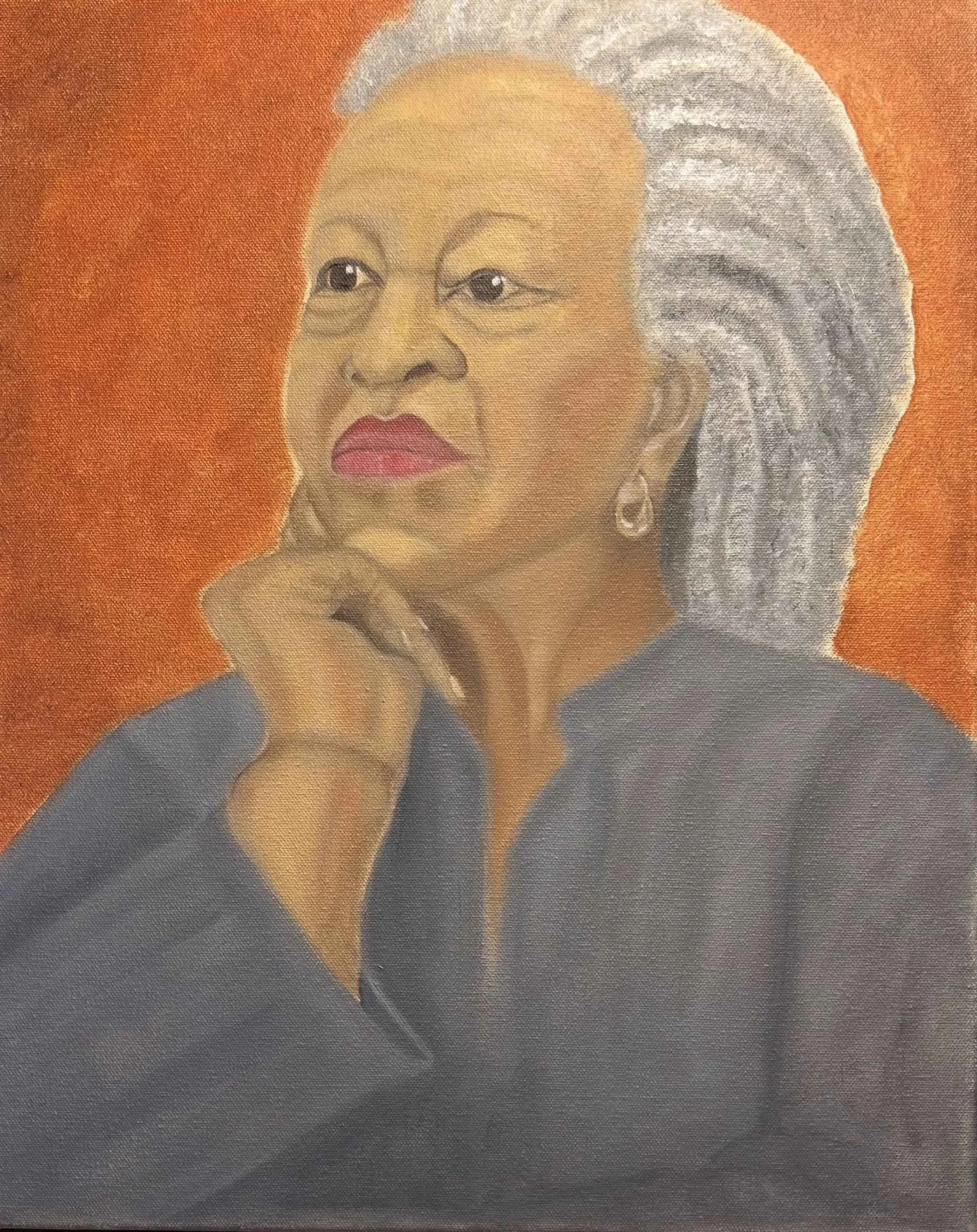
The American novelist and editor, Toni Morrison received a Pulitzer, (1987) and a Nobel Prize, (1993) for her literature.
I wanted to paint this portrait of Toni Morrison out of respect for her intellect, her strength of character, and for the amazing literature that she produced.
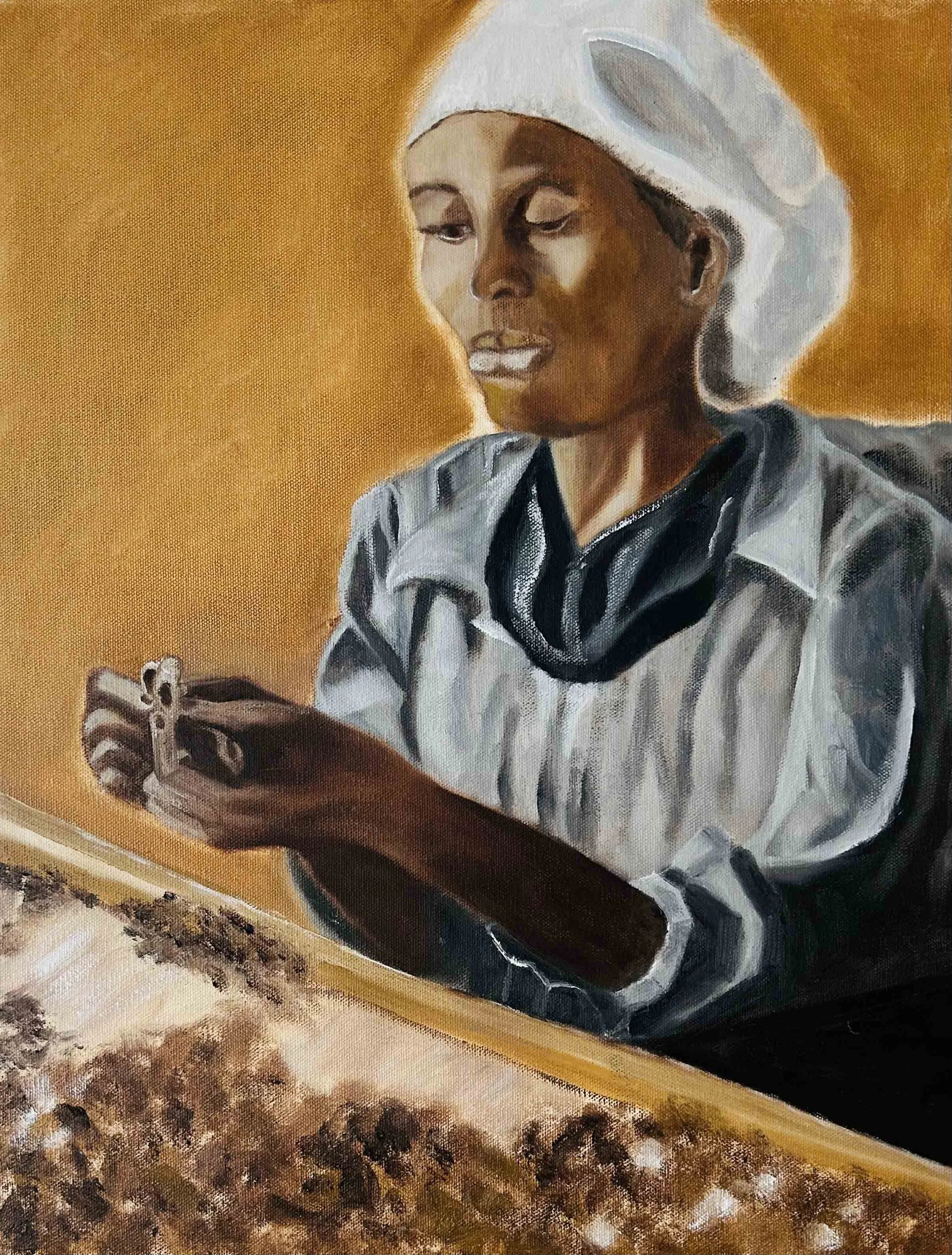
As the woman in the painting is whole body engaged in the task of grading tea leaves, I view this work as a study of intense concentration.
Vermeer’s portrait of, ‘The Lacemaker,’ was an inspiration for choosing to paint this work.


The Fayum Mummy Portraits - 1st - 3rd century BC- are Egyptian Funerary Portraits.
These portraits were discovered in the province of Fayum, in Egypt - hence their title.
I was inspired to paint these portraits because they are astonishingly contemporary, both in colour and composition (full-face portrait). They were usually painted on wood some were painted on linen.
Despite their age, the vibrancy of the colours and the condition of the portraits, has been preserved. This is because of the medium they used, ‘encaustic,’ (colours mixed with filtered beeswax and damar resin crystals), and environmental conditions found in Fayum.
The purpose of the Fayum portraits was to attach an image of the deceased to their mummified body.
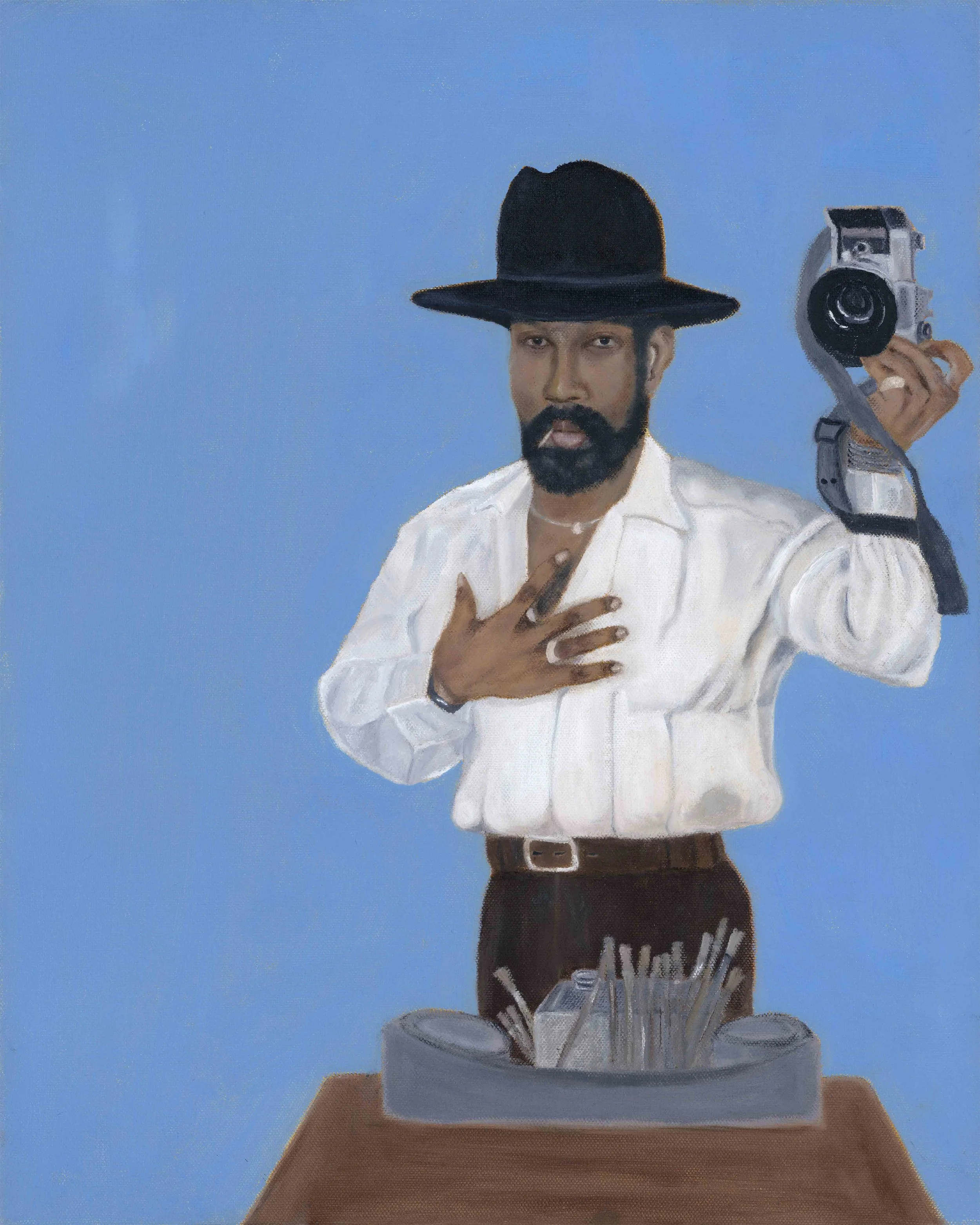
Hendricks (1945-2017), was a contemporary American artist, who painted portraits of his fellow African Americans in the Baroque style of Velasquez and Van Dyck.
As a multi-media artist, he also painted landscapes, watercolours, and produced drawings, and photographs.
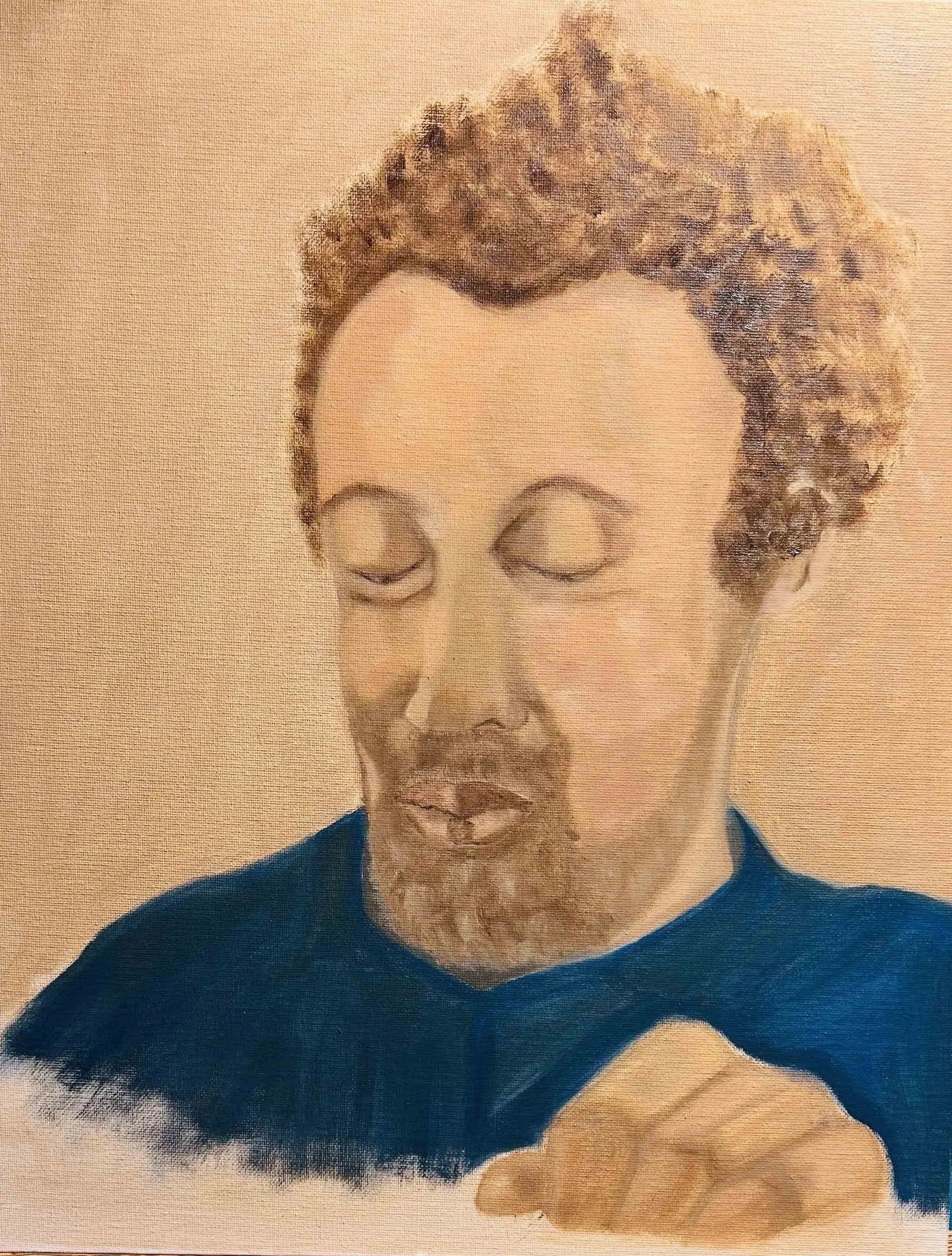
My portrait of Hendricks is based on one of his photographic self portraits.

The Fayum Mummy Portraits - 1st - 3rd century BC- are Egyptian Funerary Portraits.
These portraits were discovered in the province of Fayum, in Egypt - hence their title.
I was inspired to paint these portraits because they are astonishingly contemporary, both in colour and composition (full-face portrait). They were usually painted on wood some were painted on linen.
Despite their age, the vibrancy of the colours and the condition of the portraits, has been preserved. This is because of the medium they used, ’encaustic,’ (colours mixed with filtered beeswax and damar resin crystals), and environmental conditions found in Fayum.
The purpose of the Fayum portraits was to attach an image of the deceased to their mummified body.

My inspiration for this work was the sheer beauty and elegance of the lady and the magnificence of the turban.
It was painted from a photograph, taken from a back copy, (1998) of, ‘World of Interiors.’

This work is painted from a photograph taken by me, of the sitter.
He lives in Shoreditch, London - hence the title.
We met in a shop, and got chatting about our shared heritage - he is Jamaican, and my father is also Jamaican.
I asked his permission to use the photograph to paint his portrait, and he happily obliged.
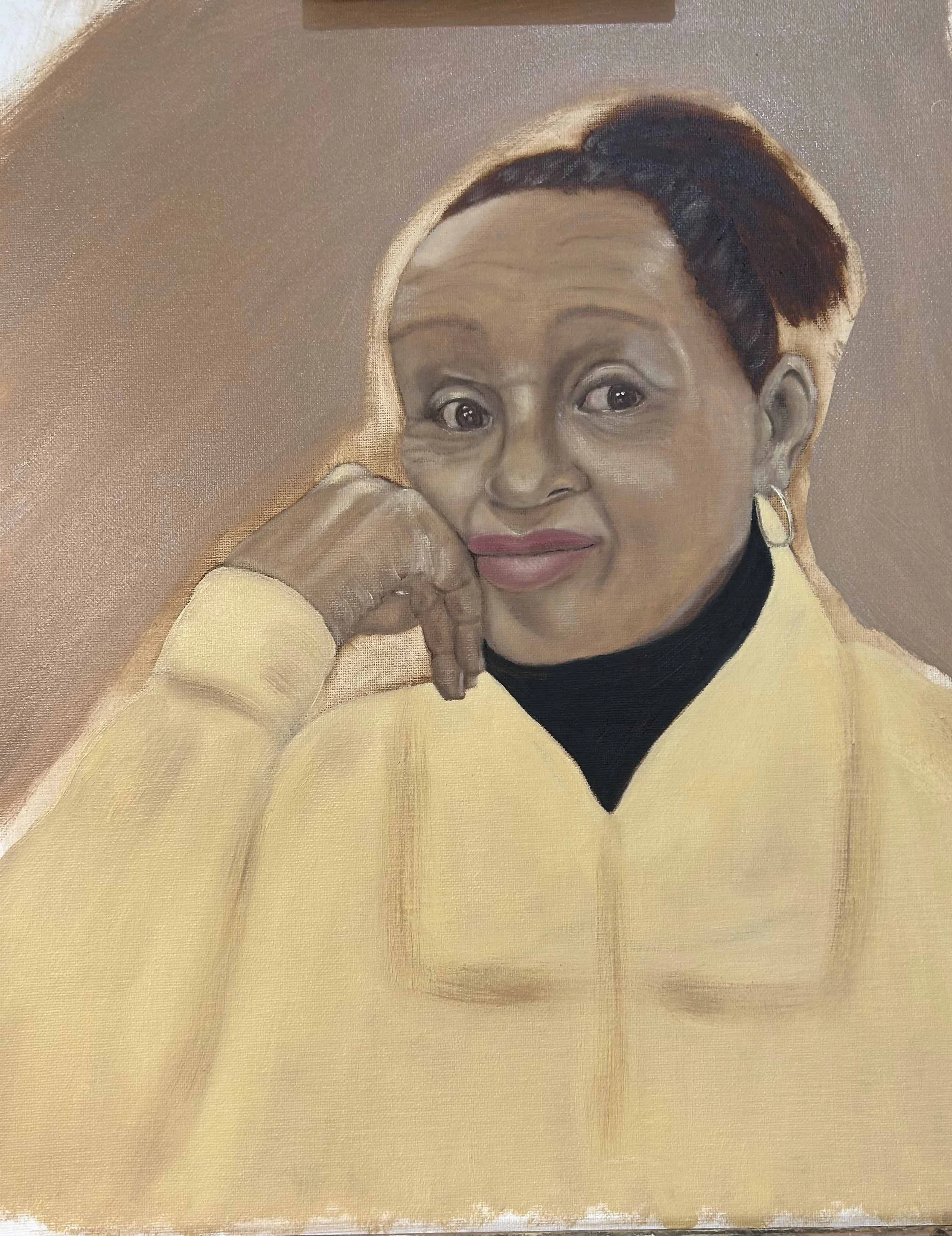

This painting speaks for itself. The dignity and legacy of the Gurkhas.
I chose the muted background, so that the focus of attention is on his colourful cap and of course, his magnificent face.

I was inspired to paint this work because I wanted to capture the beauty of this man’s turquoise eyes.
The colour of his eyes is enhanced by the palette chosen for the background.

Rembrandt is a genius whose work I greatly admire. He was clearly a man who excelled at self-portraiture.
I really enjoyed painting this work, as I learnt so much about the art of portraiture from this master.
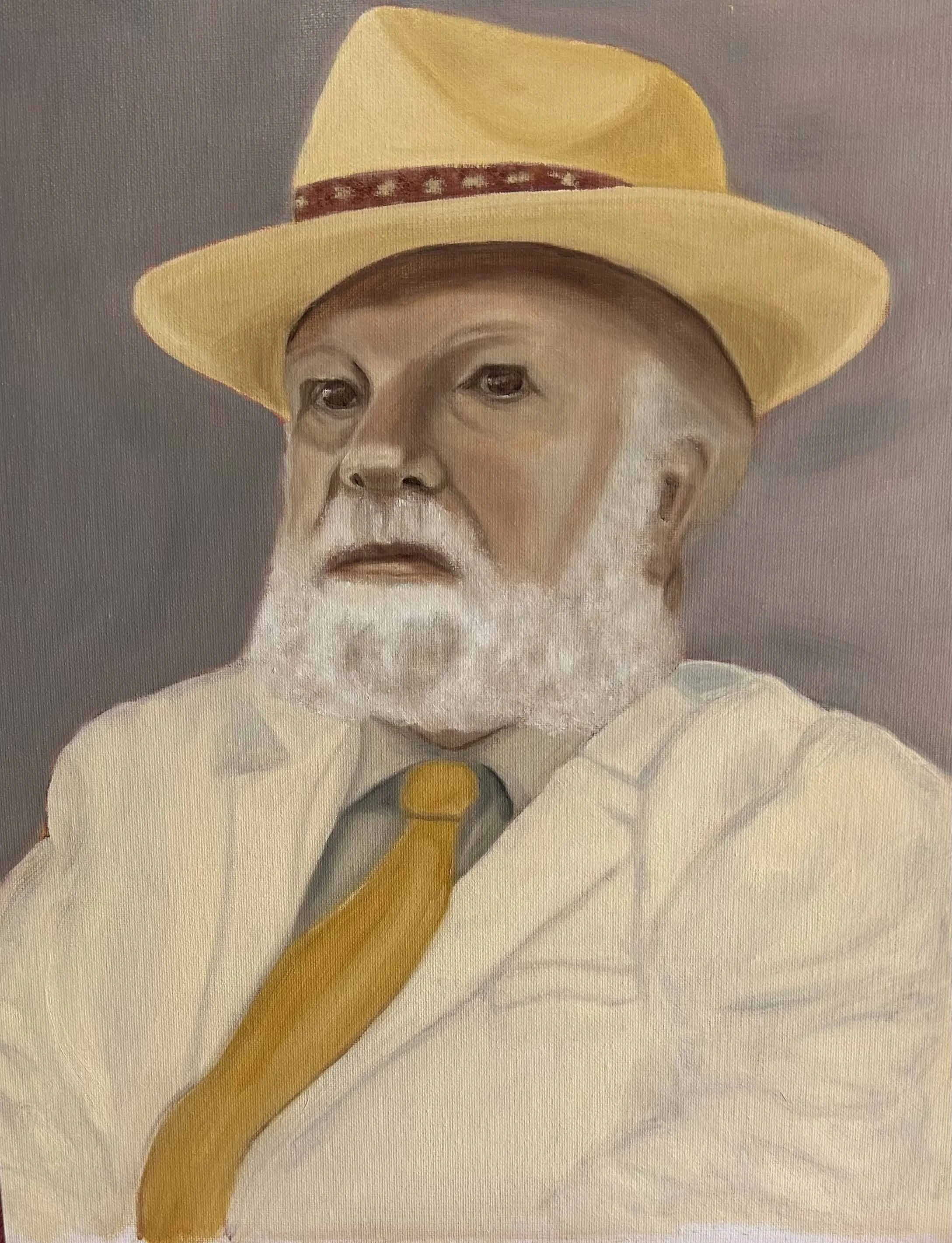

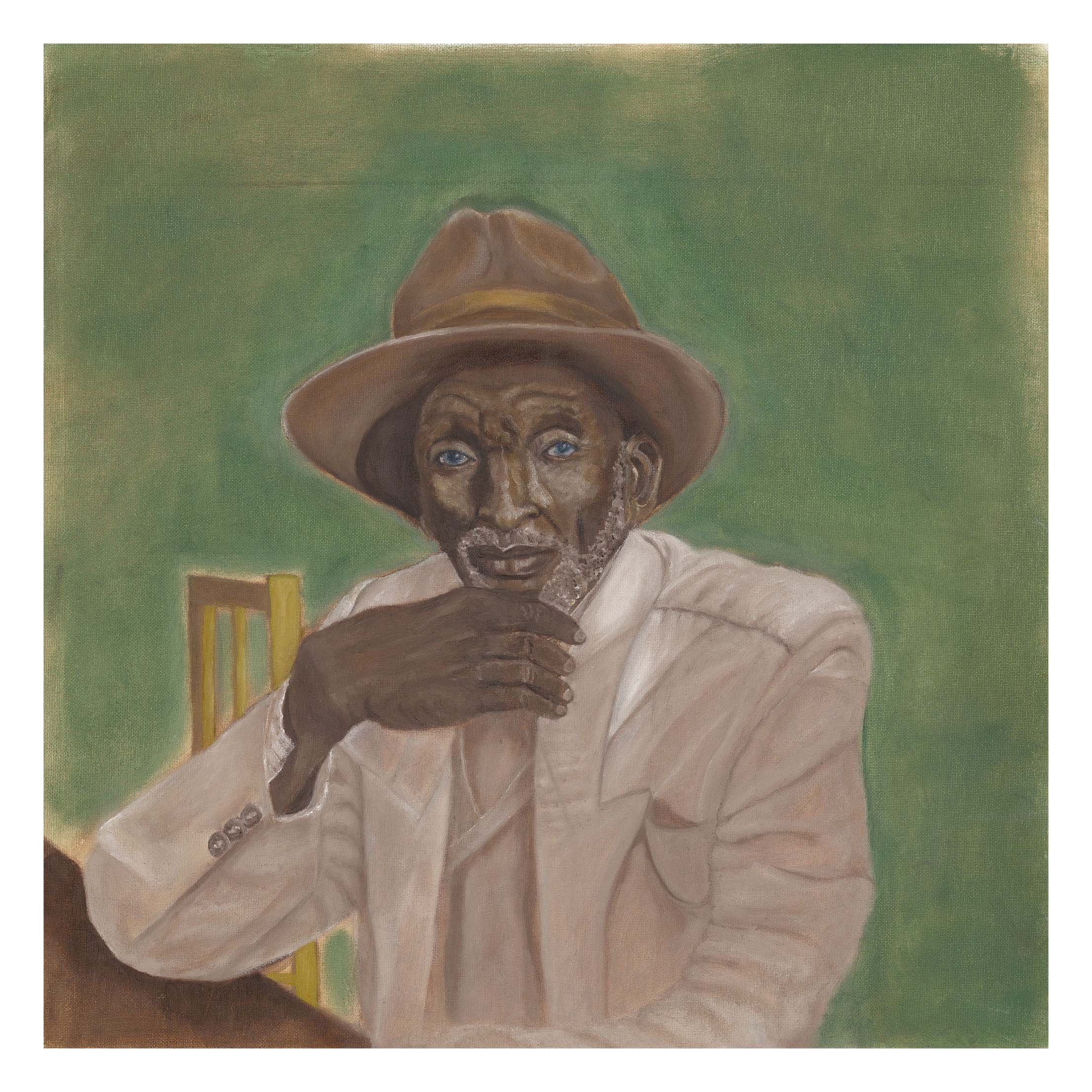
The Portrait titled Nonchalance, was painted from a photograph.
I chose the green background in contrast to the muted palette used to depict the figure.
The yellow chair was added as a highlight and counterpoint to the composition and palette.

Velasquez, a 17th century Spanish painter, was a master of portrait painting.
I was inspired by Velasquez’s portrait of ‘Pope Innocent X’ - a controversial historical figure - to paint my own interpretation.
It was an intriguing work to create. As I worked, the malevolence conveyed by the portrait of ‘ Innocent X’, was ever present.
Others, such as Francis Bacon, have also used this work as an artistic inspiration.
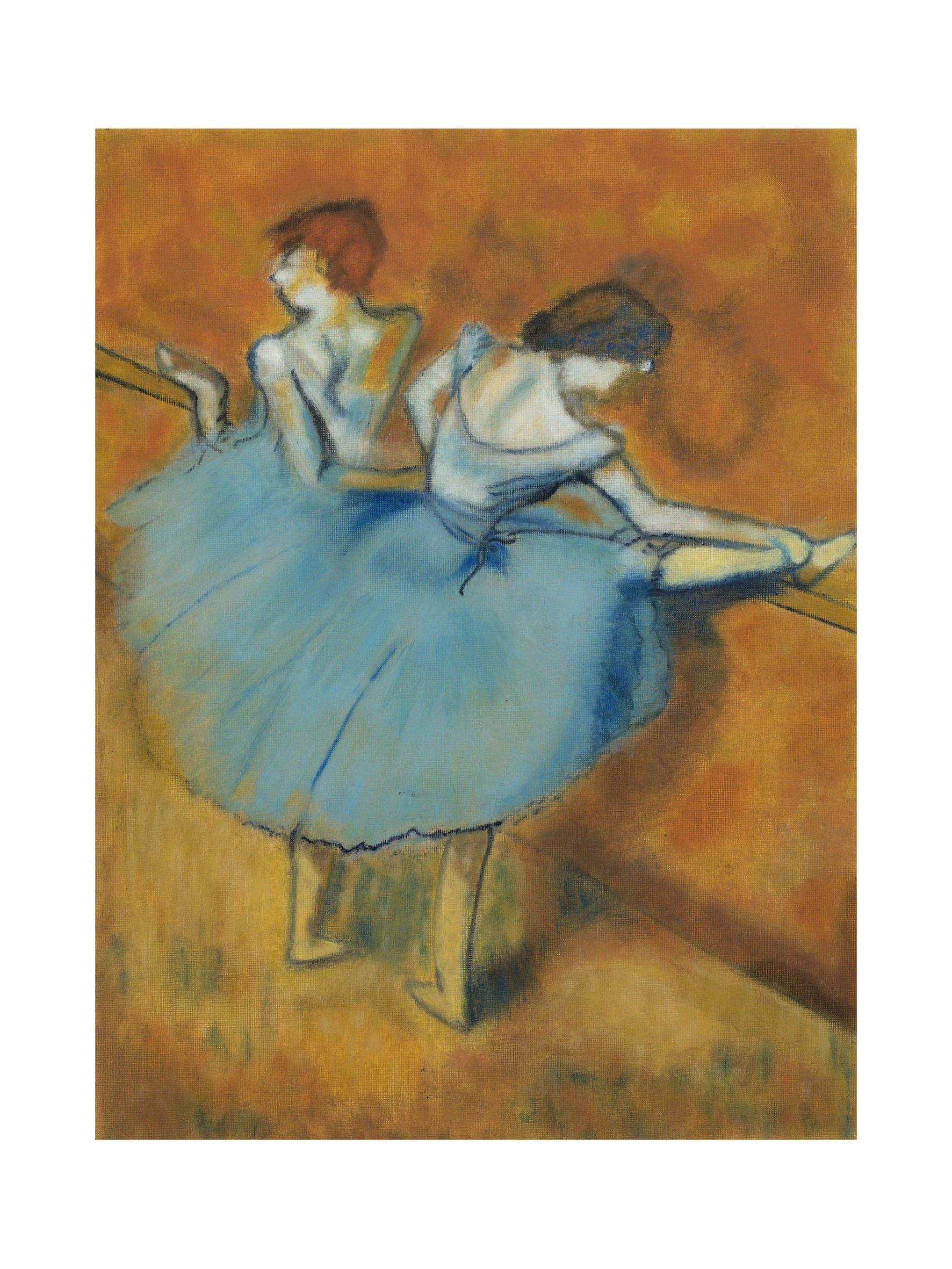
I was inspired to paint a copy of Degas’ ‘The Dancers,’ by the composition of this work.
Degas’ composition beautifully conveys the dedication and concentration of the dancers practising at the ballet barre.
Both dancers are placed closely together, their tutus almost filling the canvas, yet, each of them is focused only on their dance practice.
This is a study of a Gentileschi self-portrait. Gentileschi was a 17th century Italian Baroque painter. I was attracted to the work by the composition - the way the body curves around the canvas and the concentration the figure conveys as she deeply engages in creating an artwork.